Restoration of the Roman amphitheatre of Obulco in Porcuna (Jaén)
Pablo Millán- Type Culture / Leisure
- Date 2025
- City Porcuna (Jaén)
- Country Spain
- Photograph Javier Callejas
- Brand iGuzzini

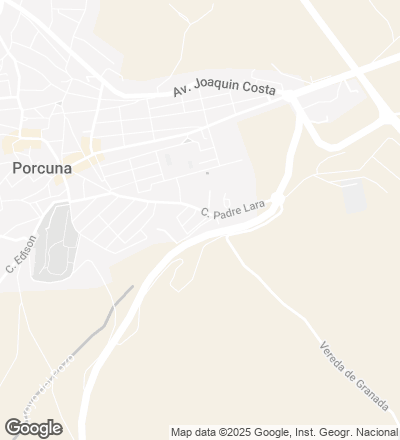
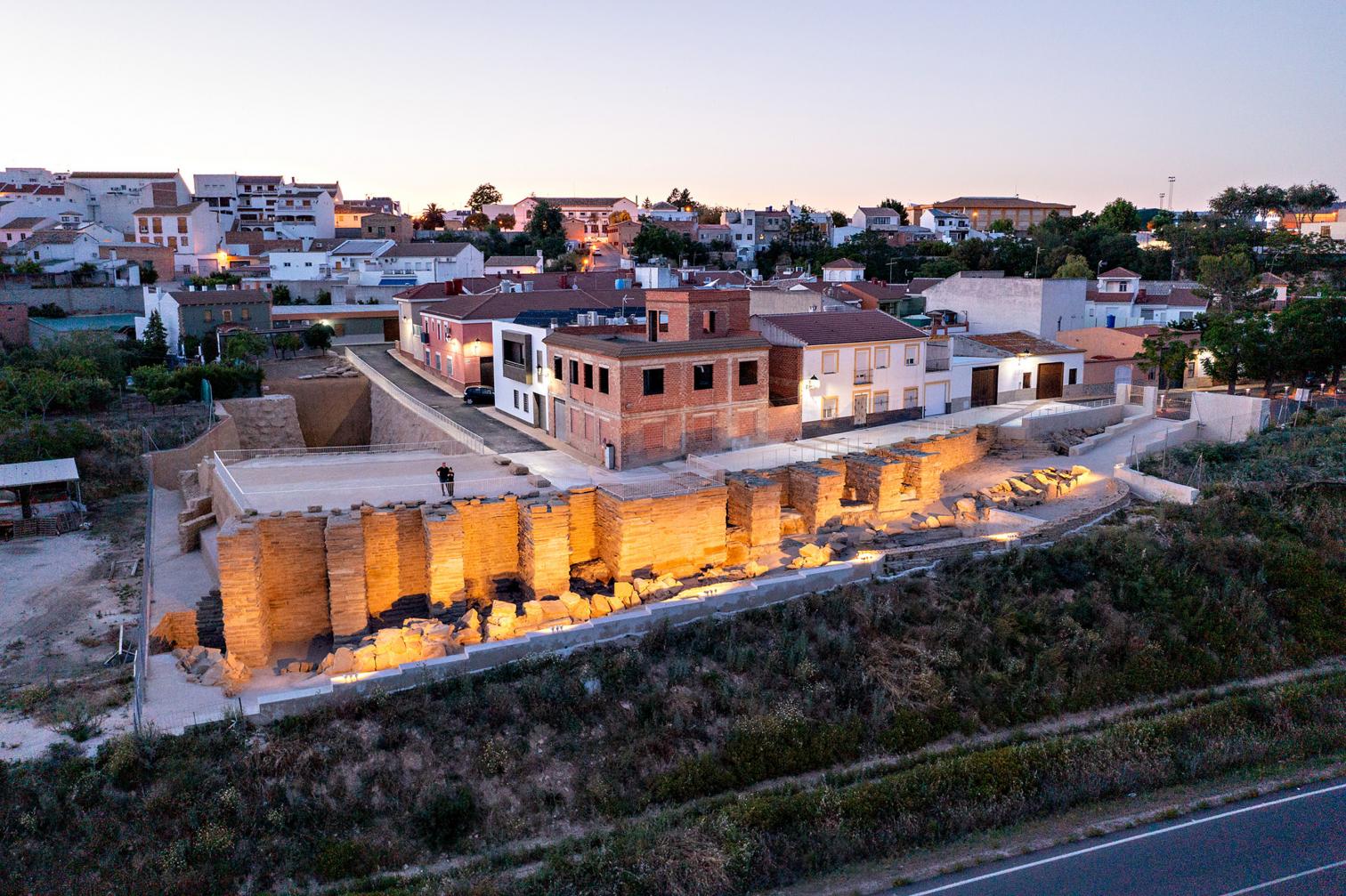
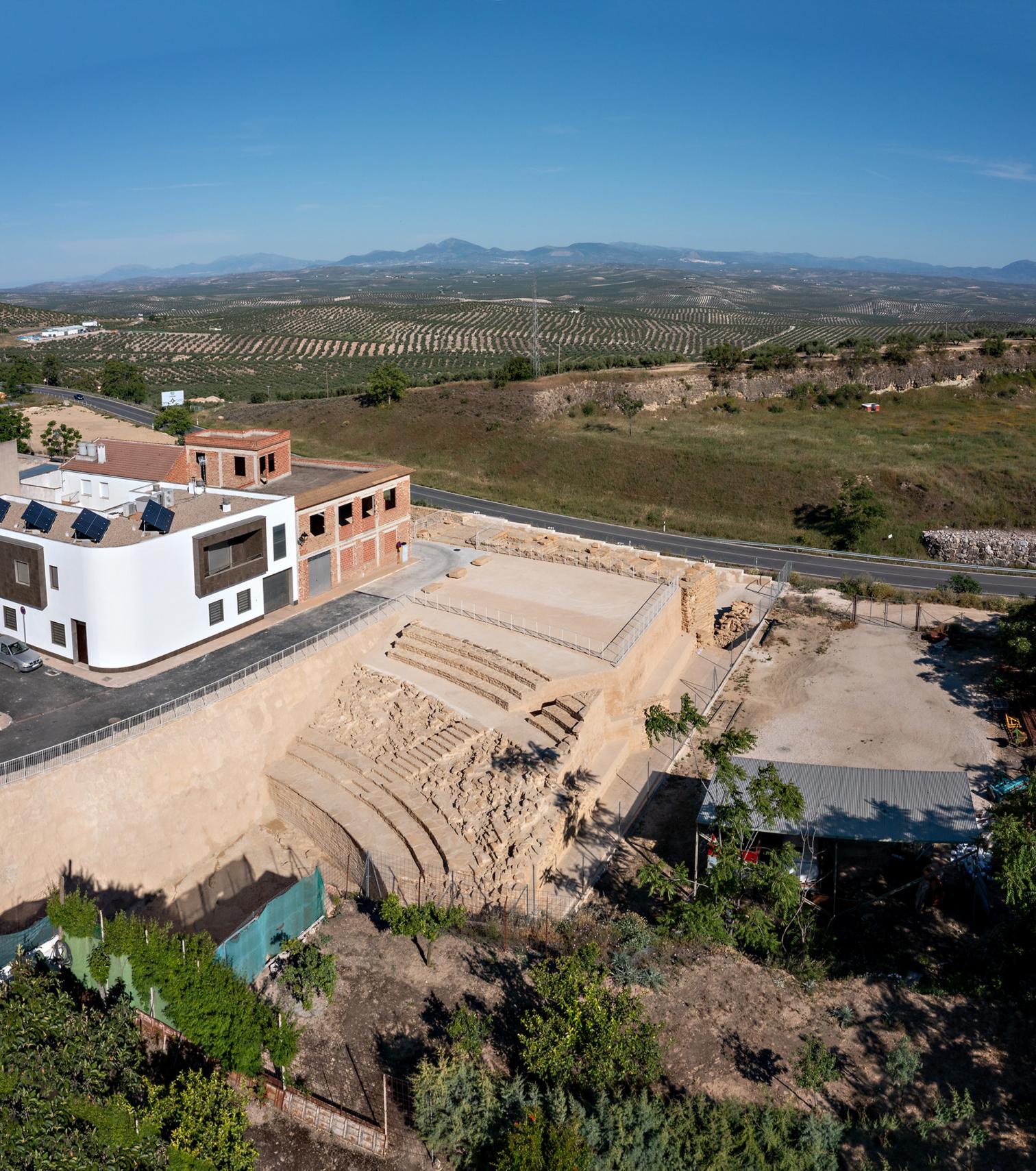
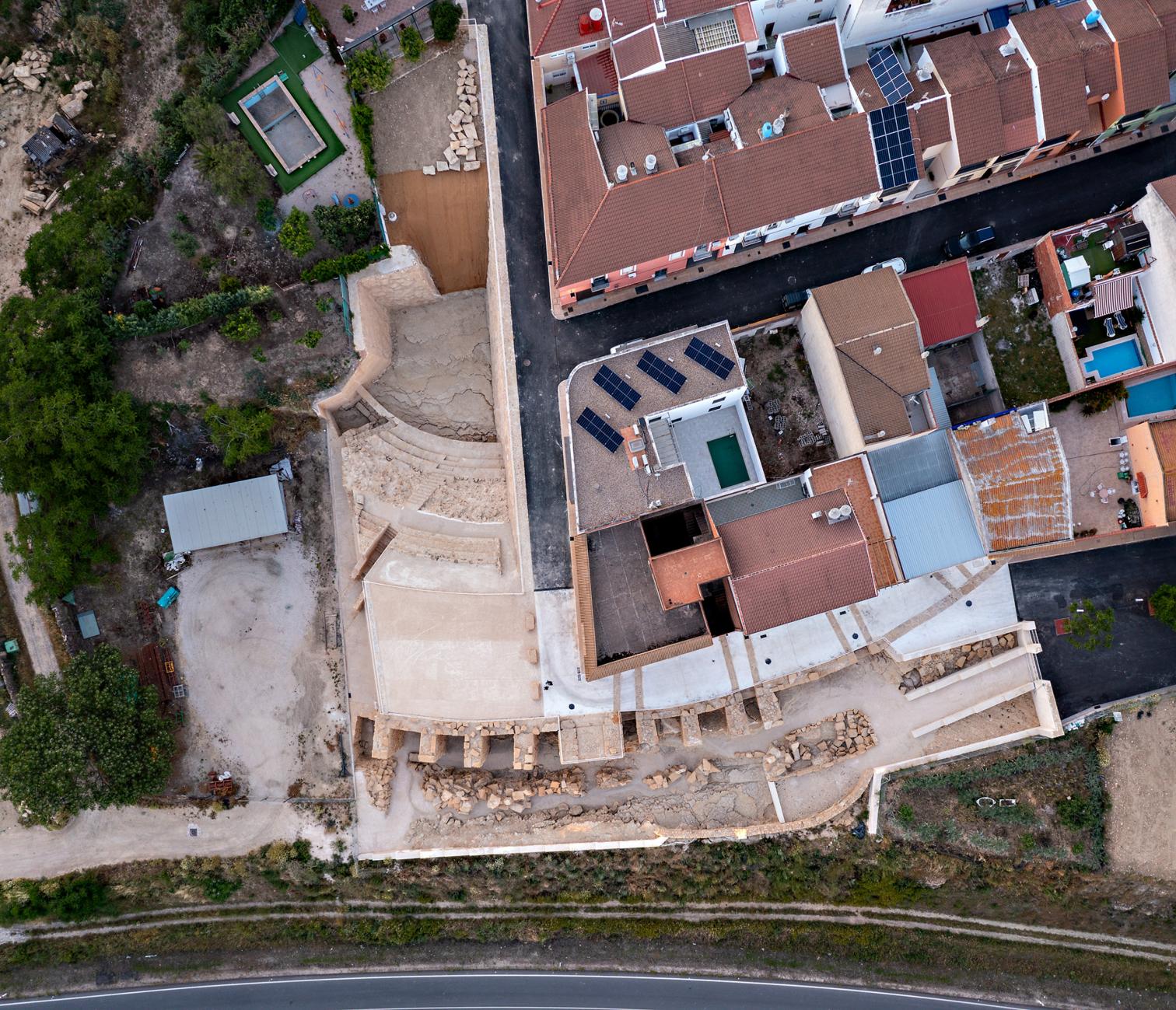
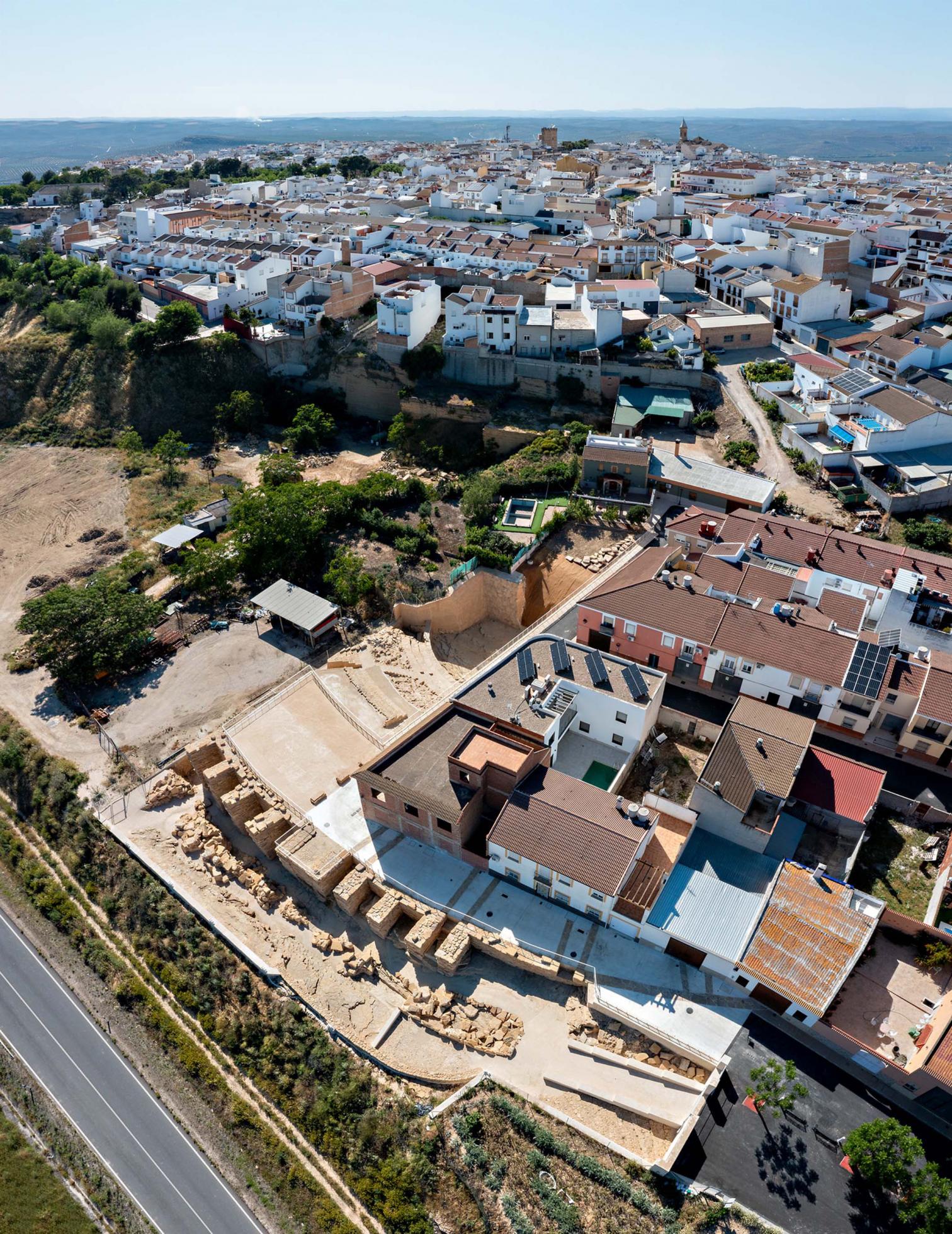
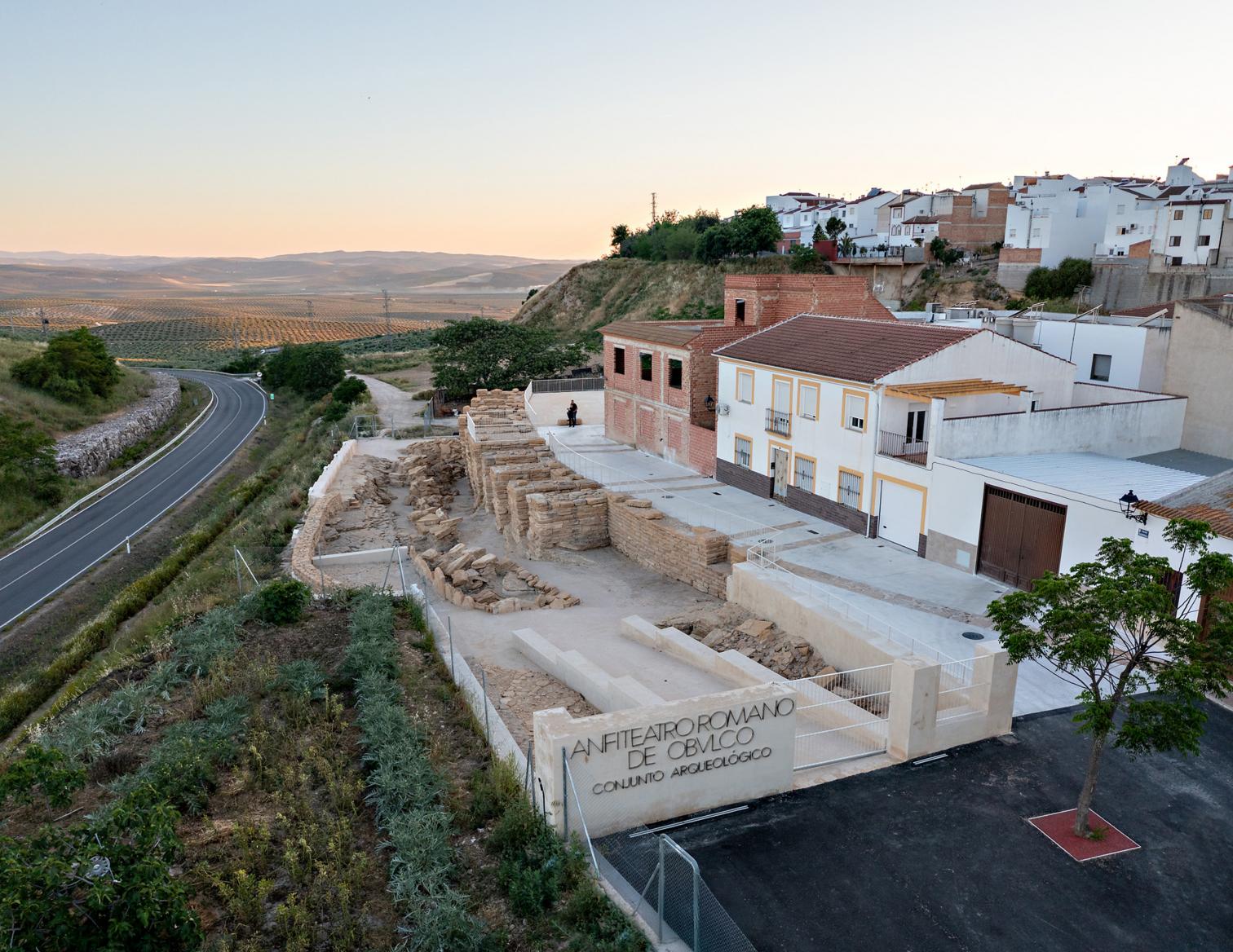
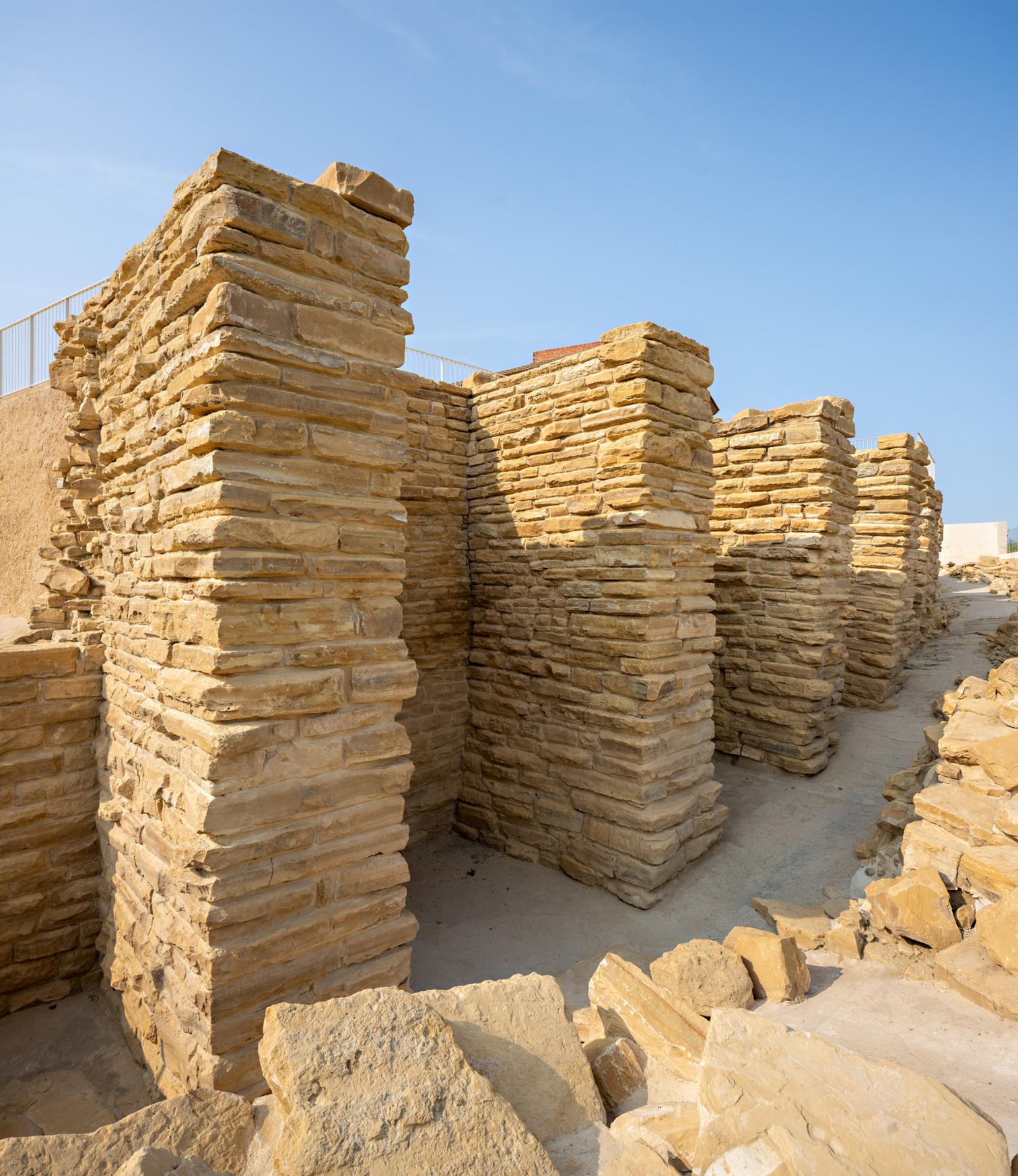
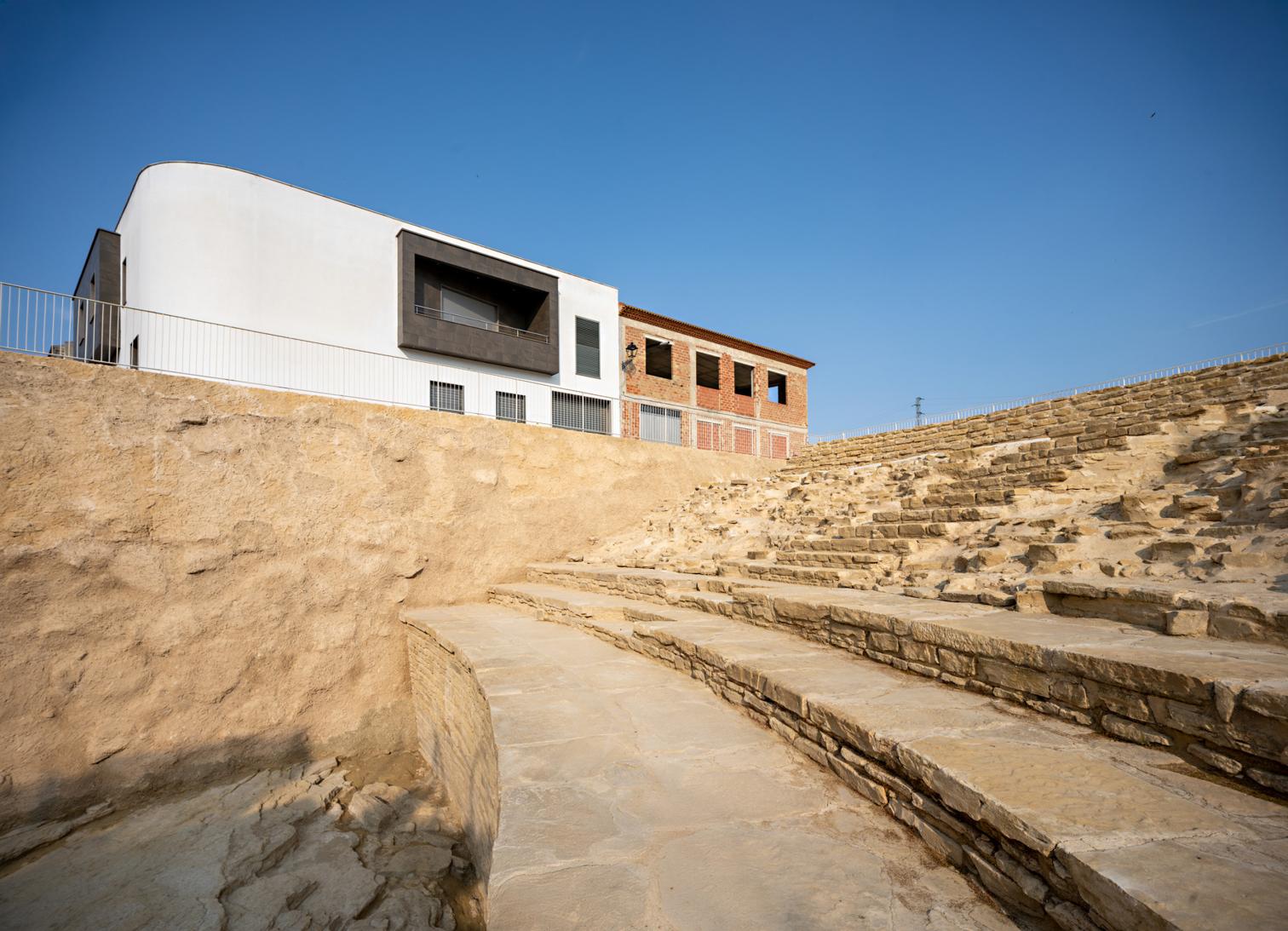
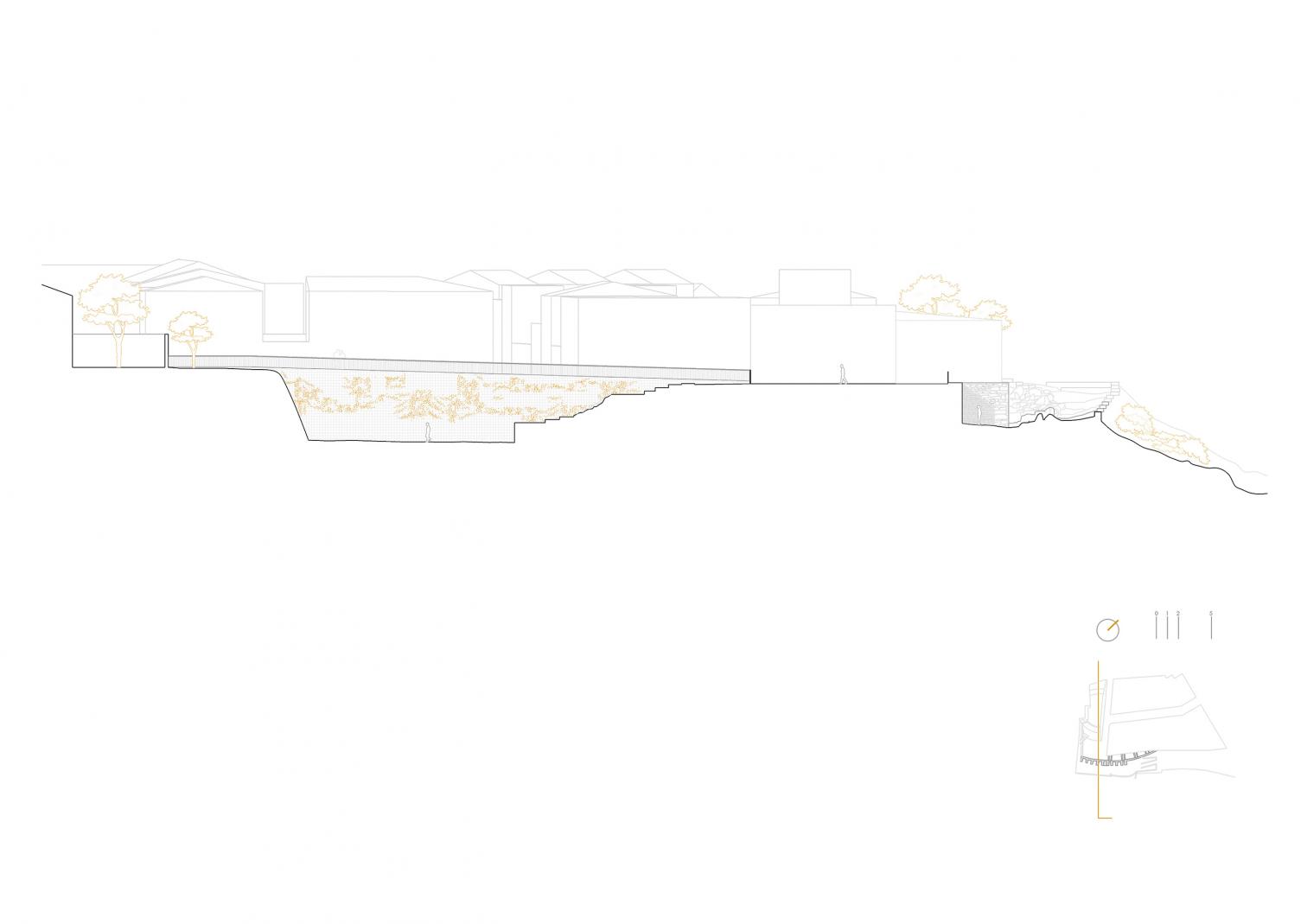
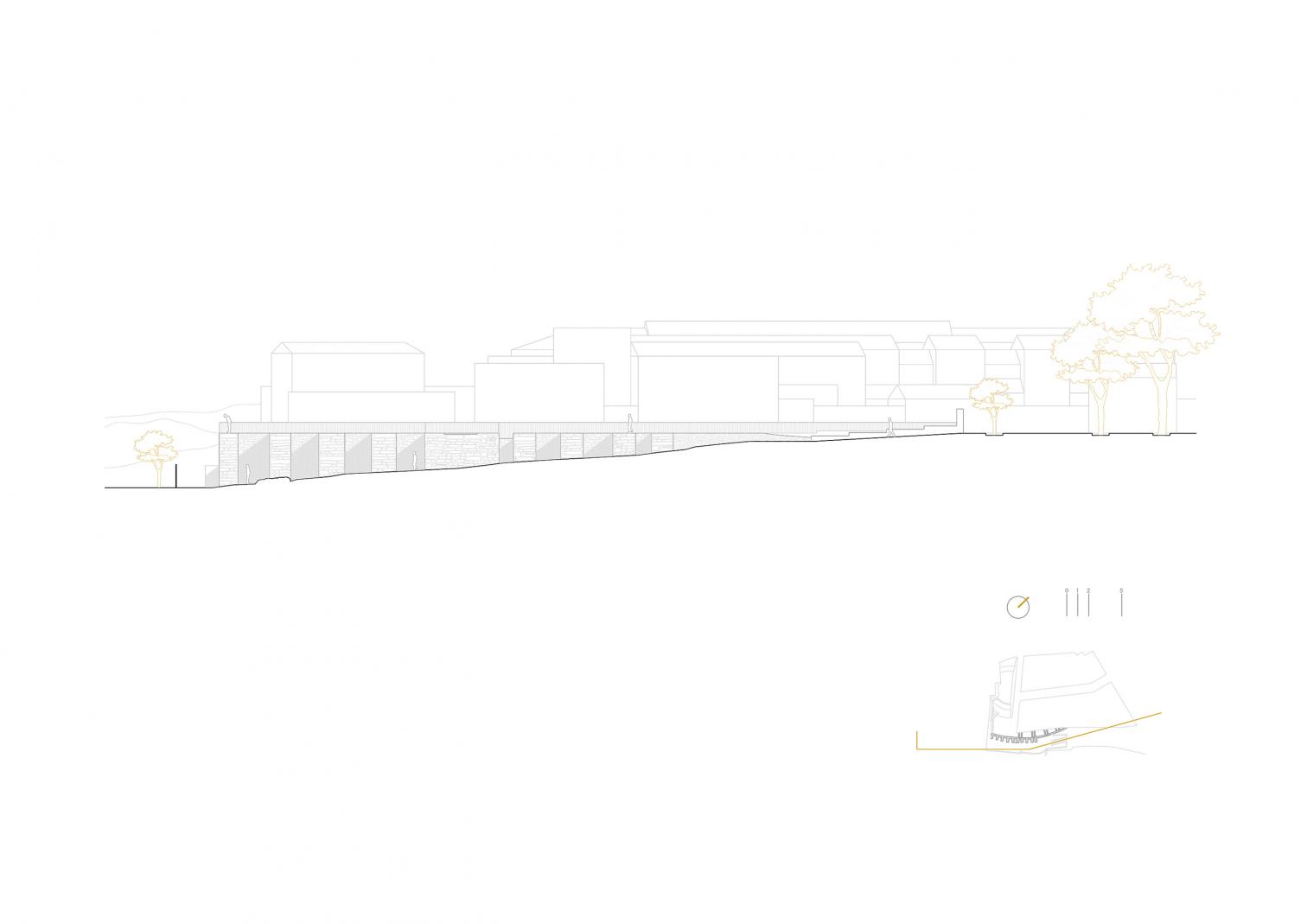
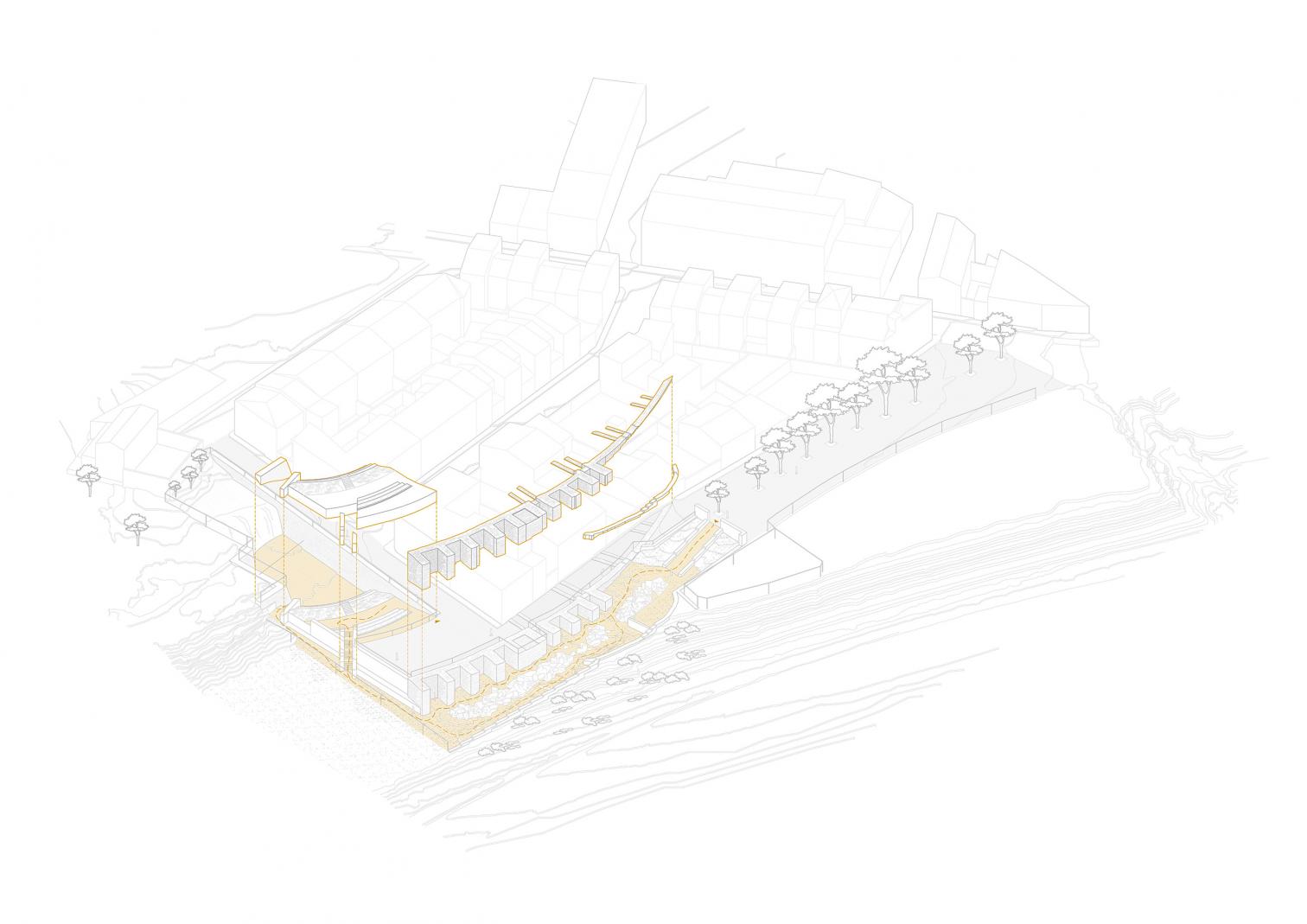
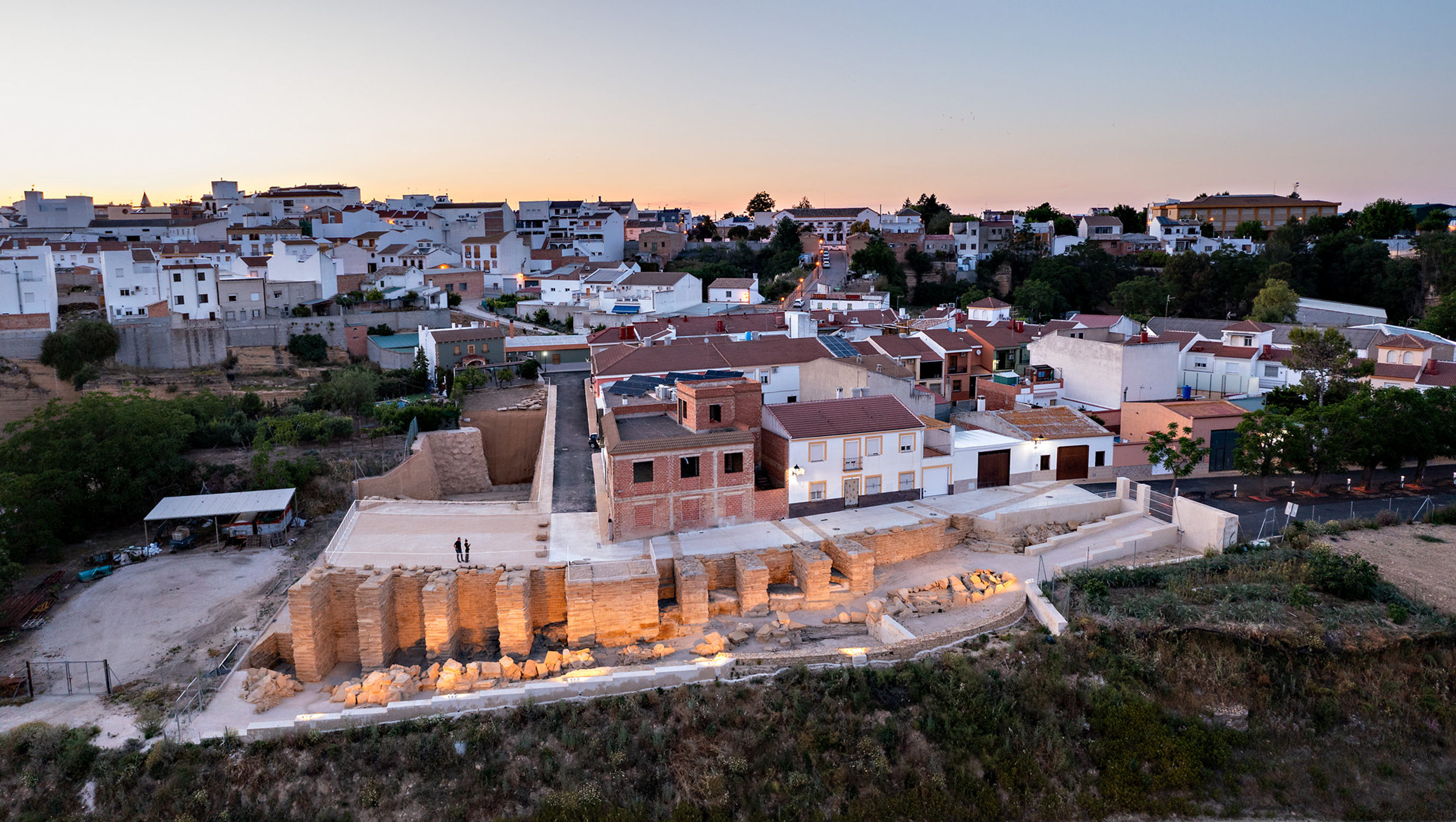
The amphitheatre of the ancient Roman city of Obulco, located in the small municipality of Porcuna in Jaén, was discovered during preventive work on a peripheral site. The work revealed an imposing masonry structure corresponding to the south façade of a 1st-century AD amphitheatre. The complex, consisting of perimeter walls articulated by pillars and openings, features cyclopean masonry with rusticated facings, in which construction techniques such as interlocking and dry stone masonry were used. These characteristics reveal a monumental work, designed to accommodate more than 10,000 spectators.
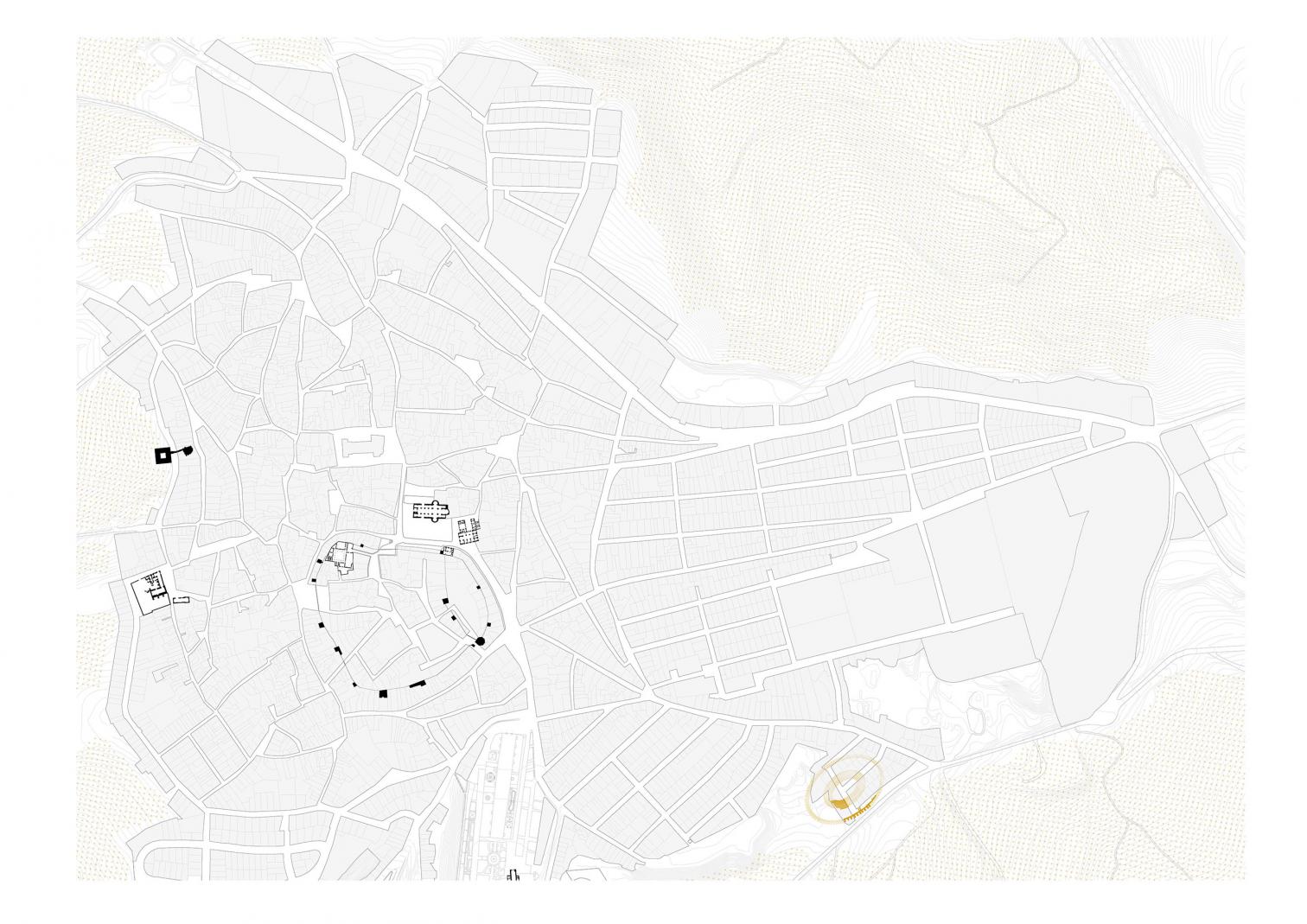
Architectural analysis has made it possible to reconstruct both the original form and the structural and spatial logic of the building. The planimetric survey, the documentation of the elevations and the stratigraphic reading of the walls have been approached from an architectural methodology, integrating archaeological and urban planning criteria, which has enriched the understanding of the complex. Located outside the city walls, as is customary for these buildings, the elliptical amphitheatre stands out for its scale and the richness of its materials, especially the local golden calcarenite.
The project not only seeks to preserve the remains, but also to integrate them into the contemporary public space, reinforcing the idea that architecture is key to interpreting and managing heritage. Its inclusion as a Site of Cultural Interest in the Archaeological Zone category requires a multidisciplinary approach aimed at its preservation, interpretation and dissemination.