Doshi Retreat at Campus Vitra, Weil am Rhein (Germany)
Balkrishna Doshi Studio Sangath- Type Pavilion Landscape architecture / Urban planning
- Material Steel
- Date 2025
- City Weil am Rhein
- Country Germany
- Photograph Julien Lanoo Marek Iwicki
- Brand Arcelor Mittal

The Vitra Campus in Weil am Rhein (Germany) has inaugurated Doshi Retreat, a space thought up by the Indian architect Balkrishna Doshi, winner of the 2018 Pritzker Prize, who died in 2023. The project was carried out in collaboration with his granddaughter Khushnu Panthaki Hoof and her husband, Sönke Hoof, co-founders of Studio Sangath. This was Doshi’s last design and his only work outside India.
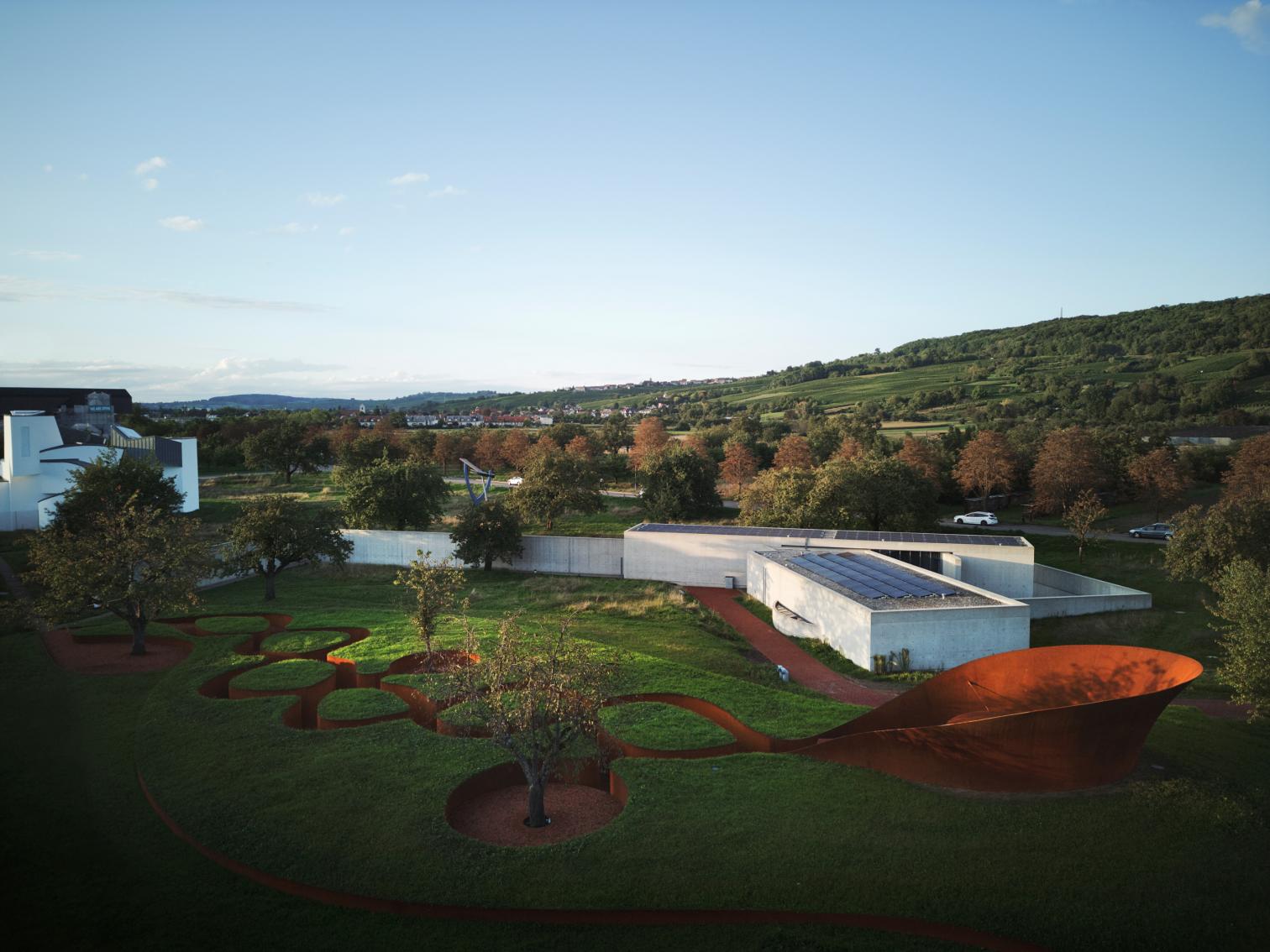
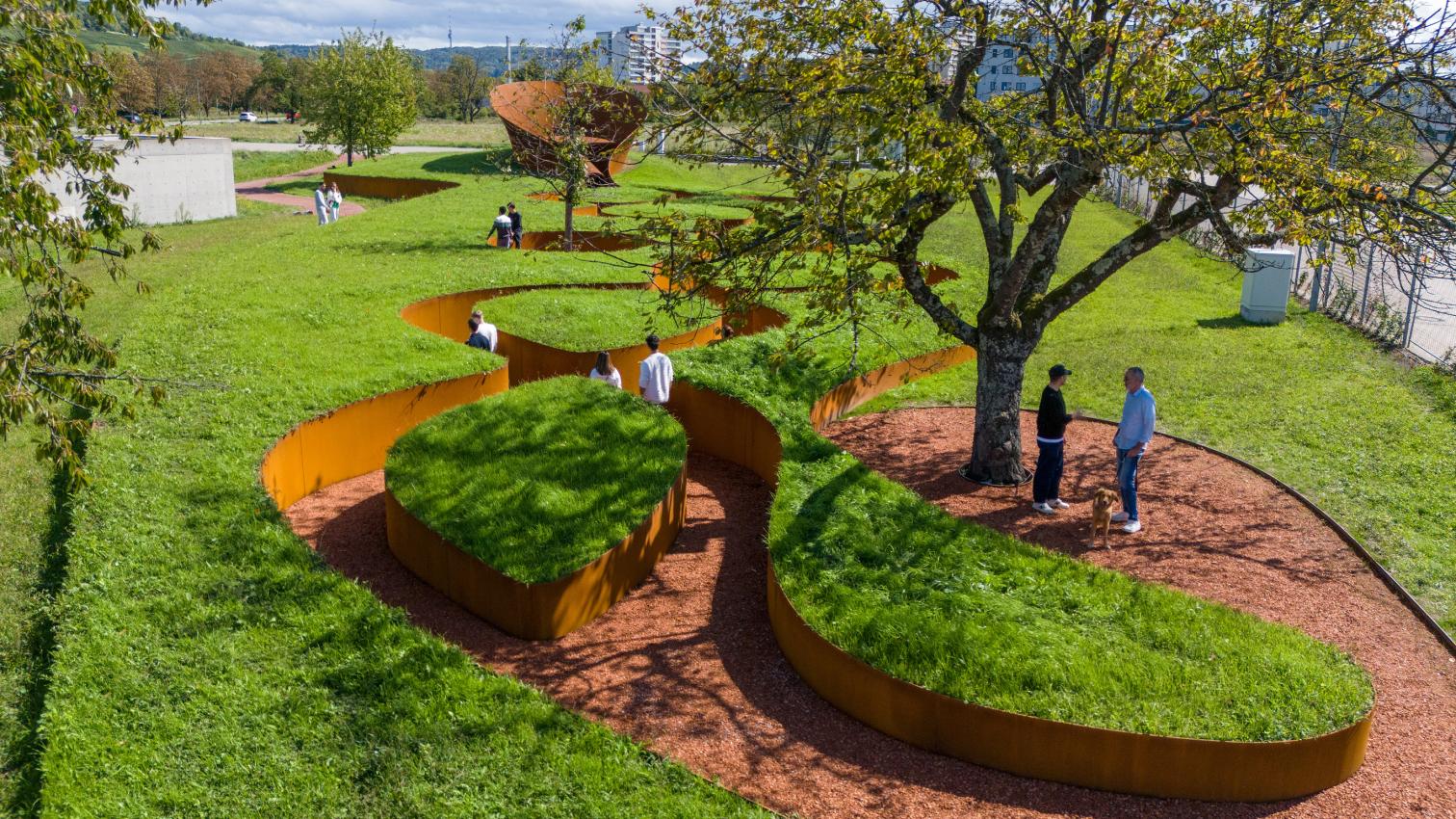
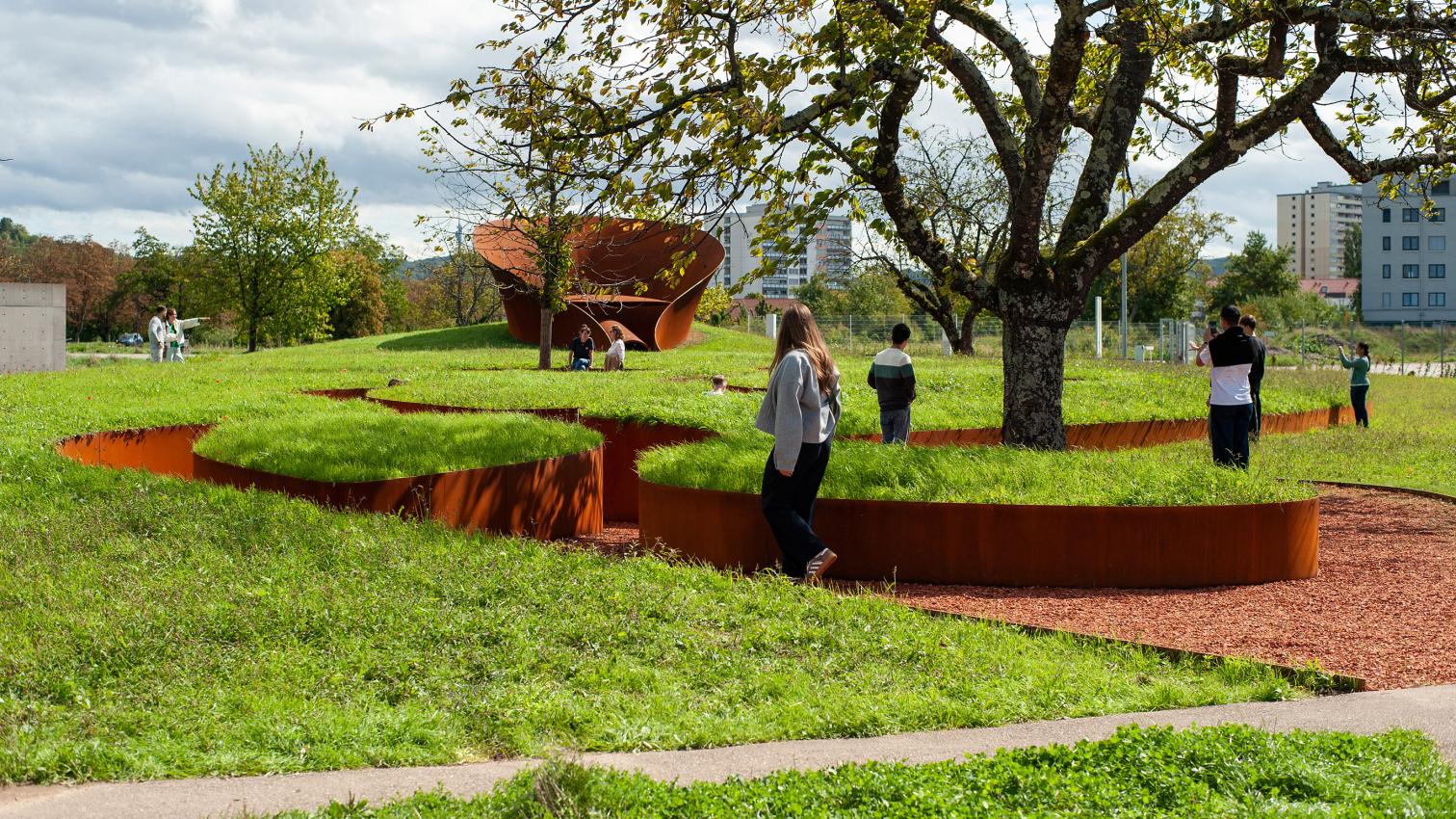
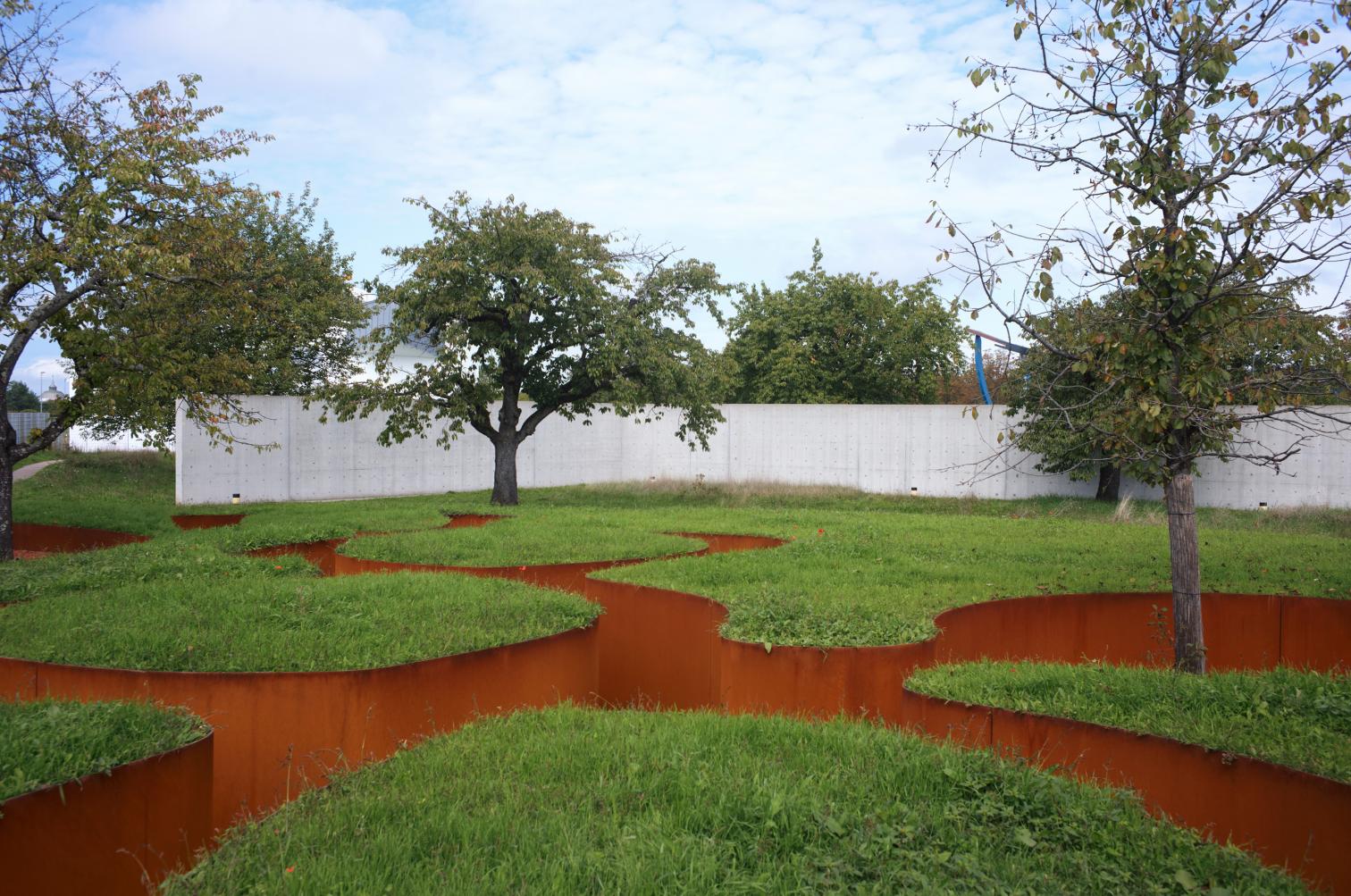
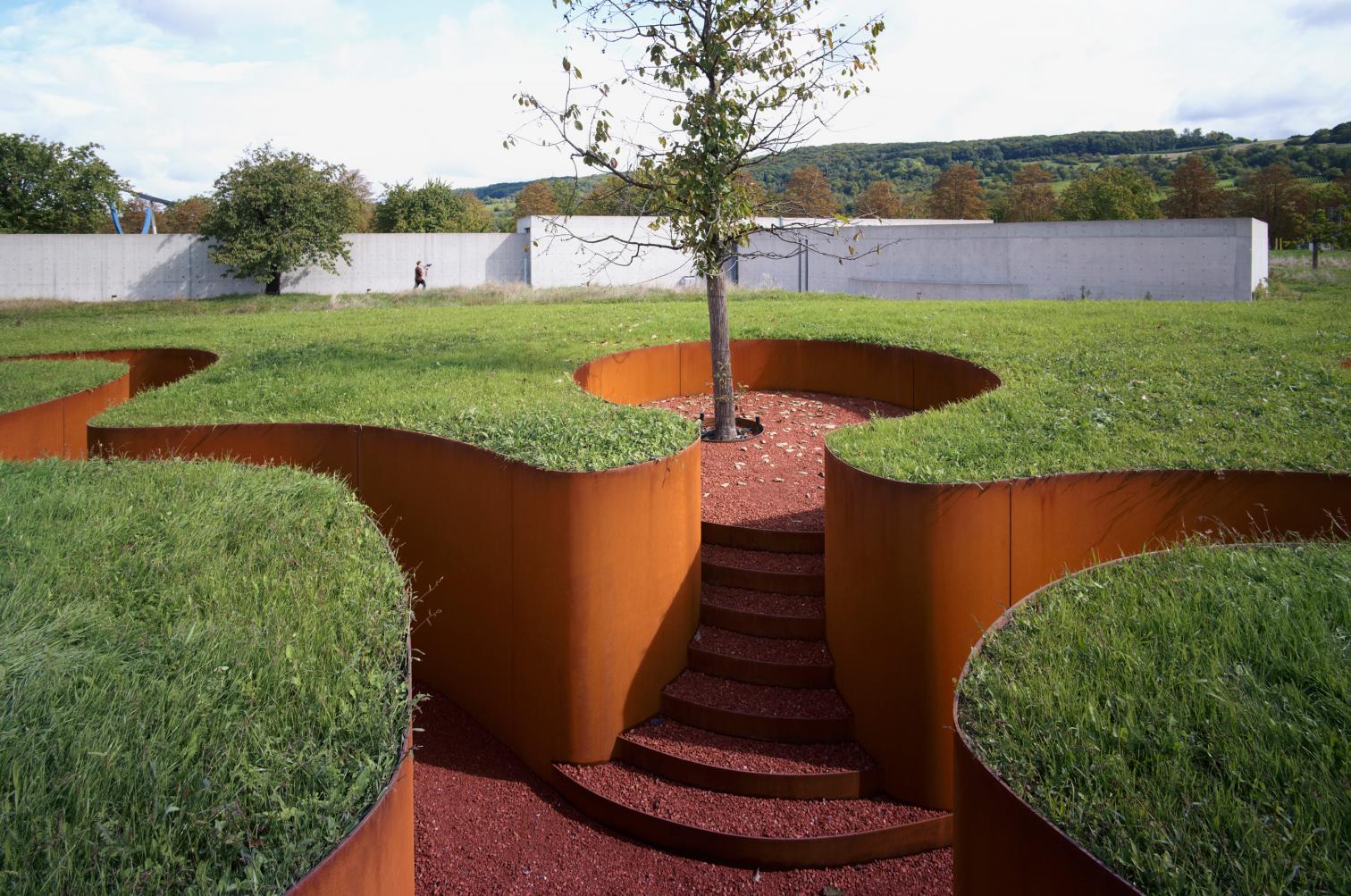
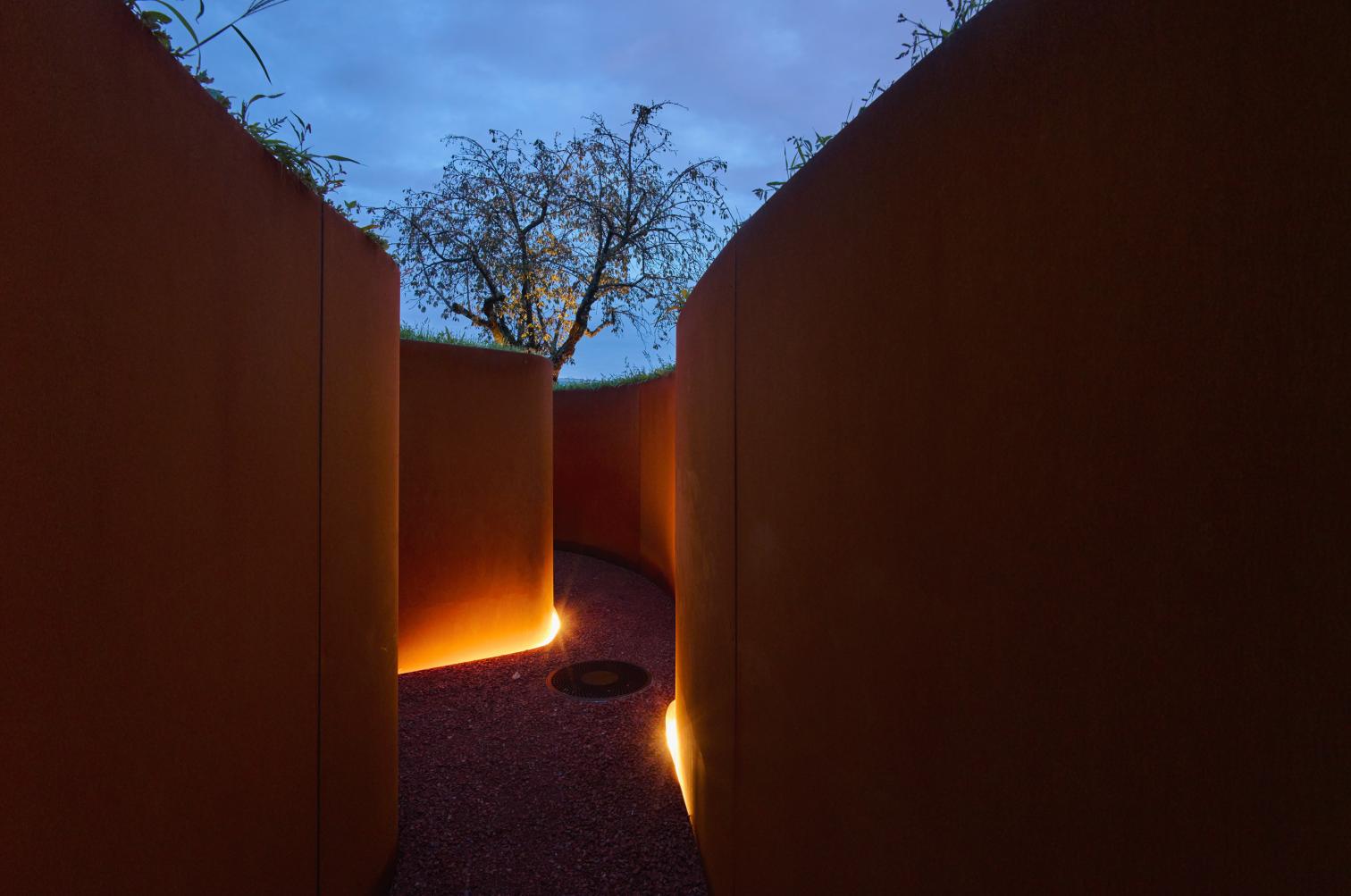
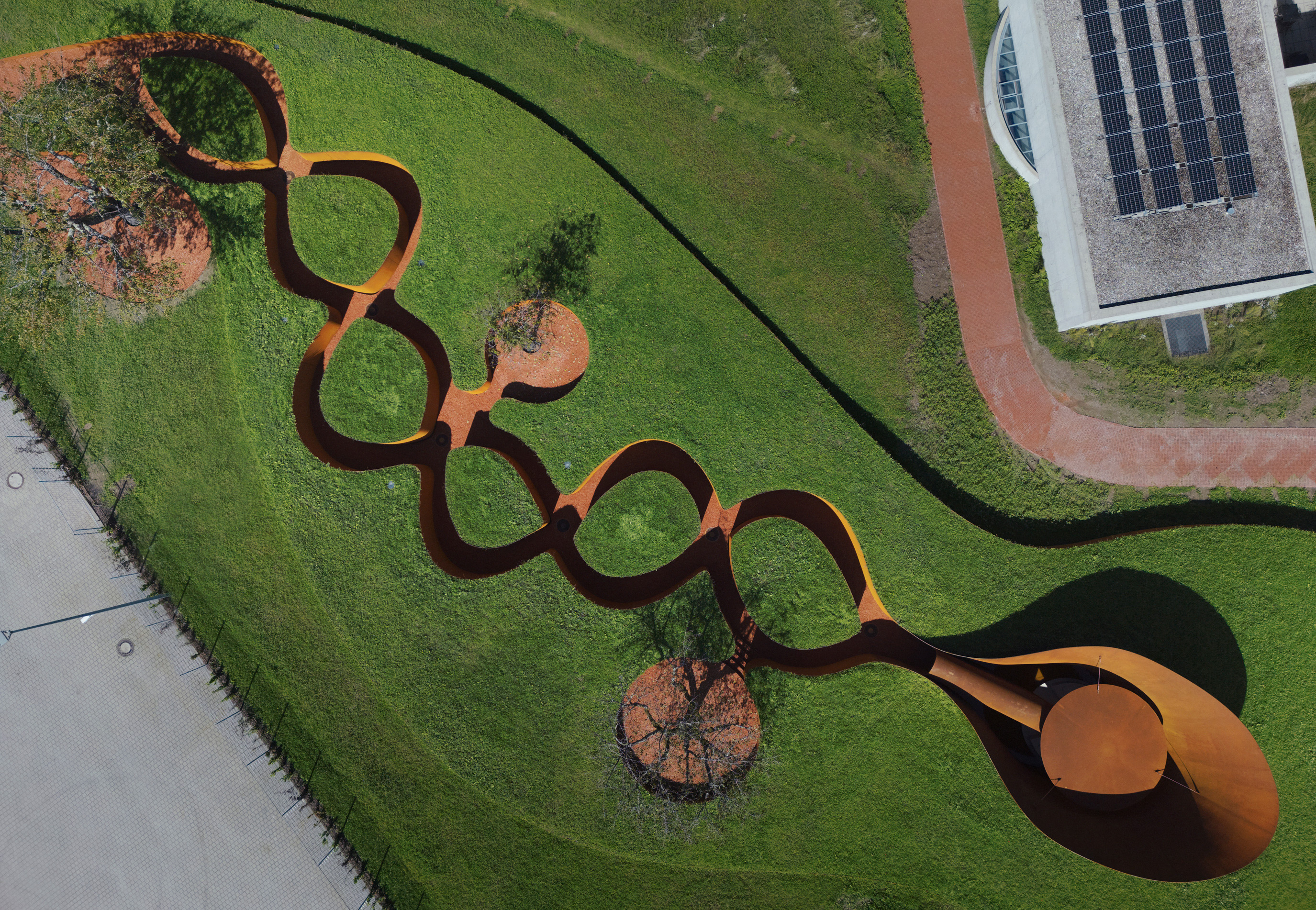
The idea arose when Rolf Fehlbaum, chairman emeritus of Vitra, showed Doshi a photograph of a small shrine in India and had him create a space for contemplation on campus. From that dialogue came a winding path conducive to introspection. Doshi Retreat is organized around two interwoven paths that go underground, crisscross, and lead visitors towards a central pavilion. The sinuous design evolved from a sketch inspired by a dream in which Doshi saw two intertwining cobras. The project draws on Kundalini – a Sanskrit term that refers to primal energy at the base of the spine, conceptualized as a coil or spiral – and completing it is a sound landscape that reinforces the fluidity of its spatial geometry.
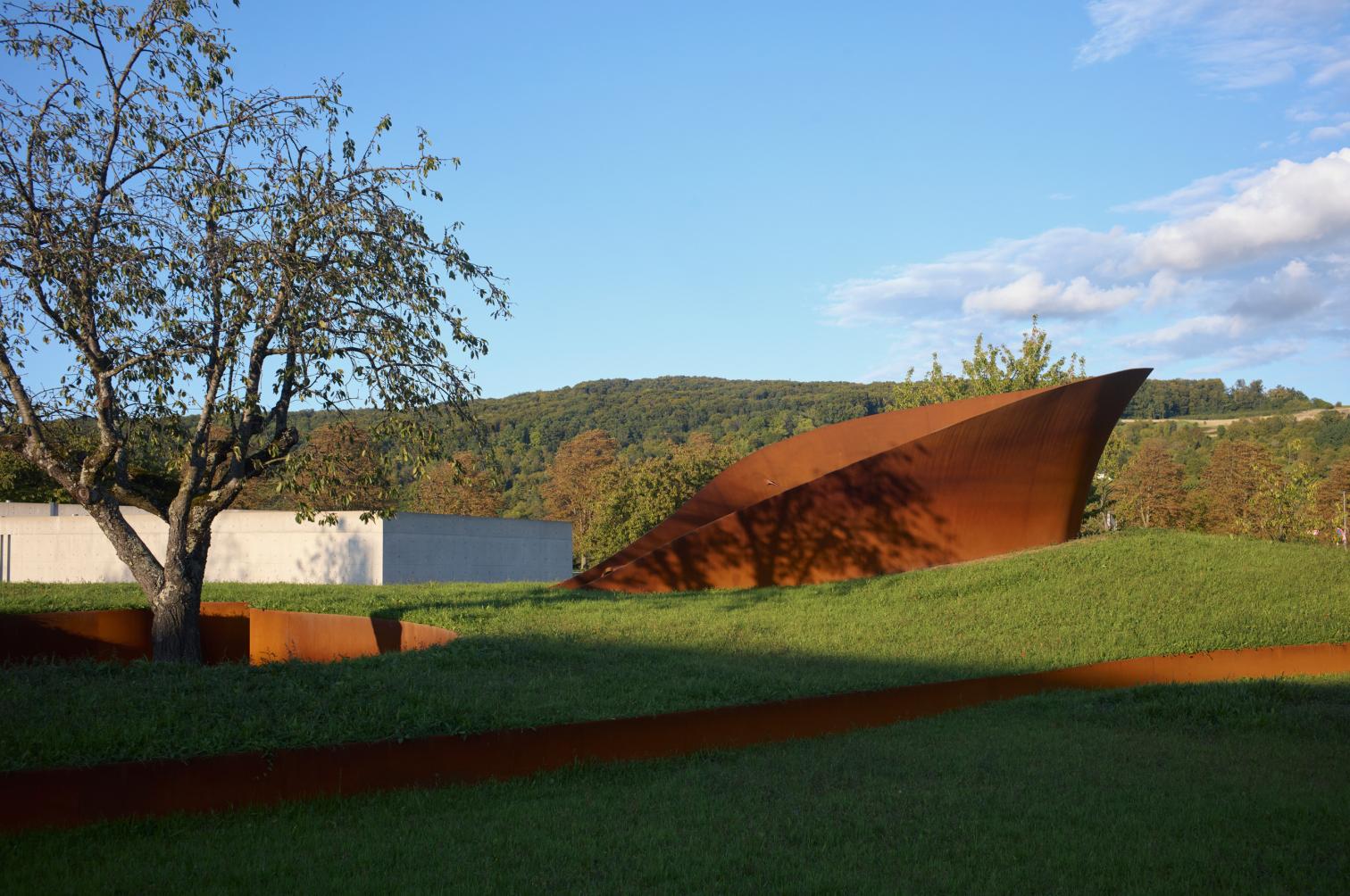
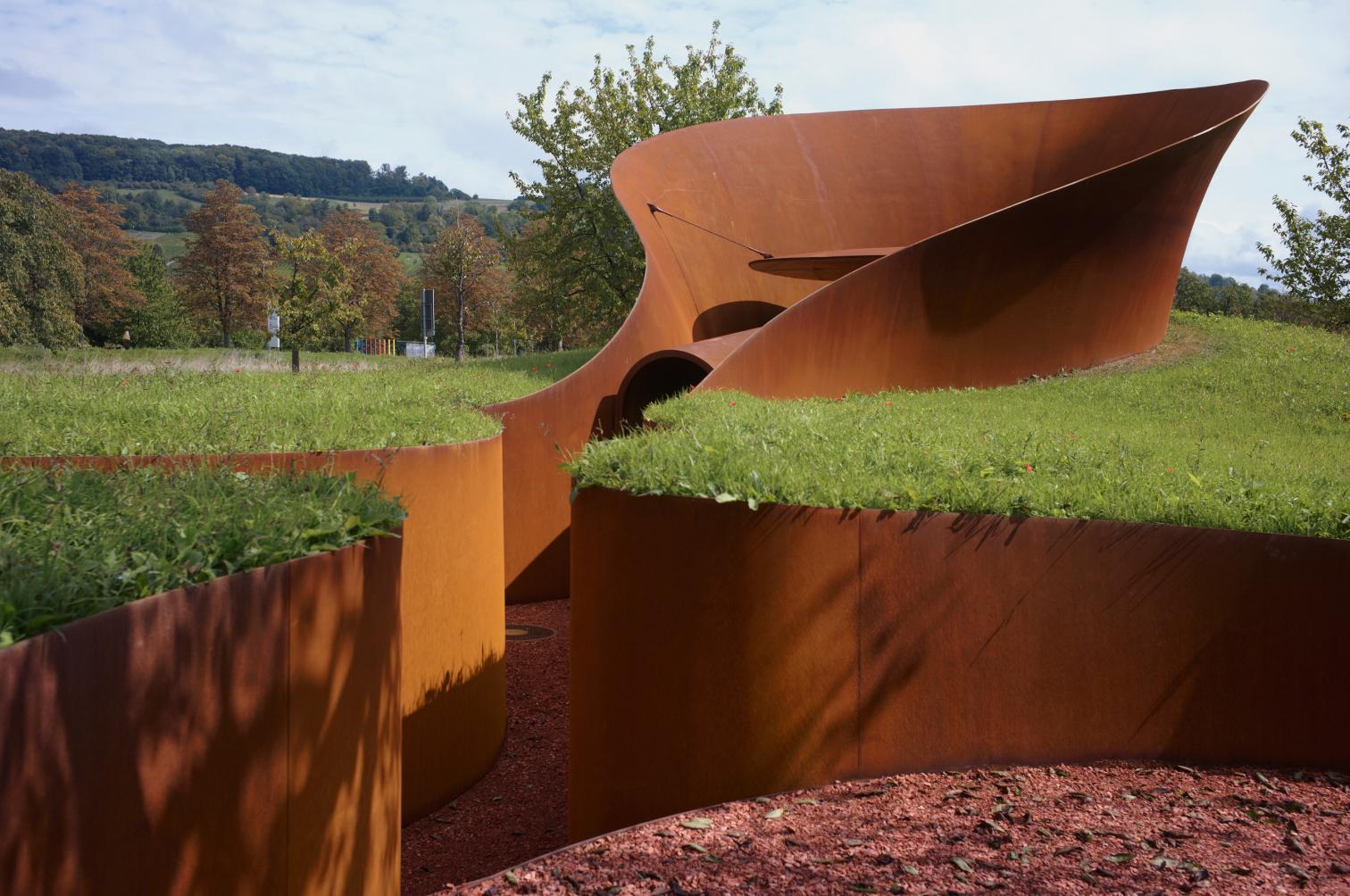
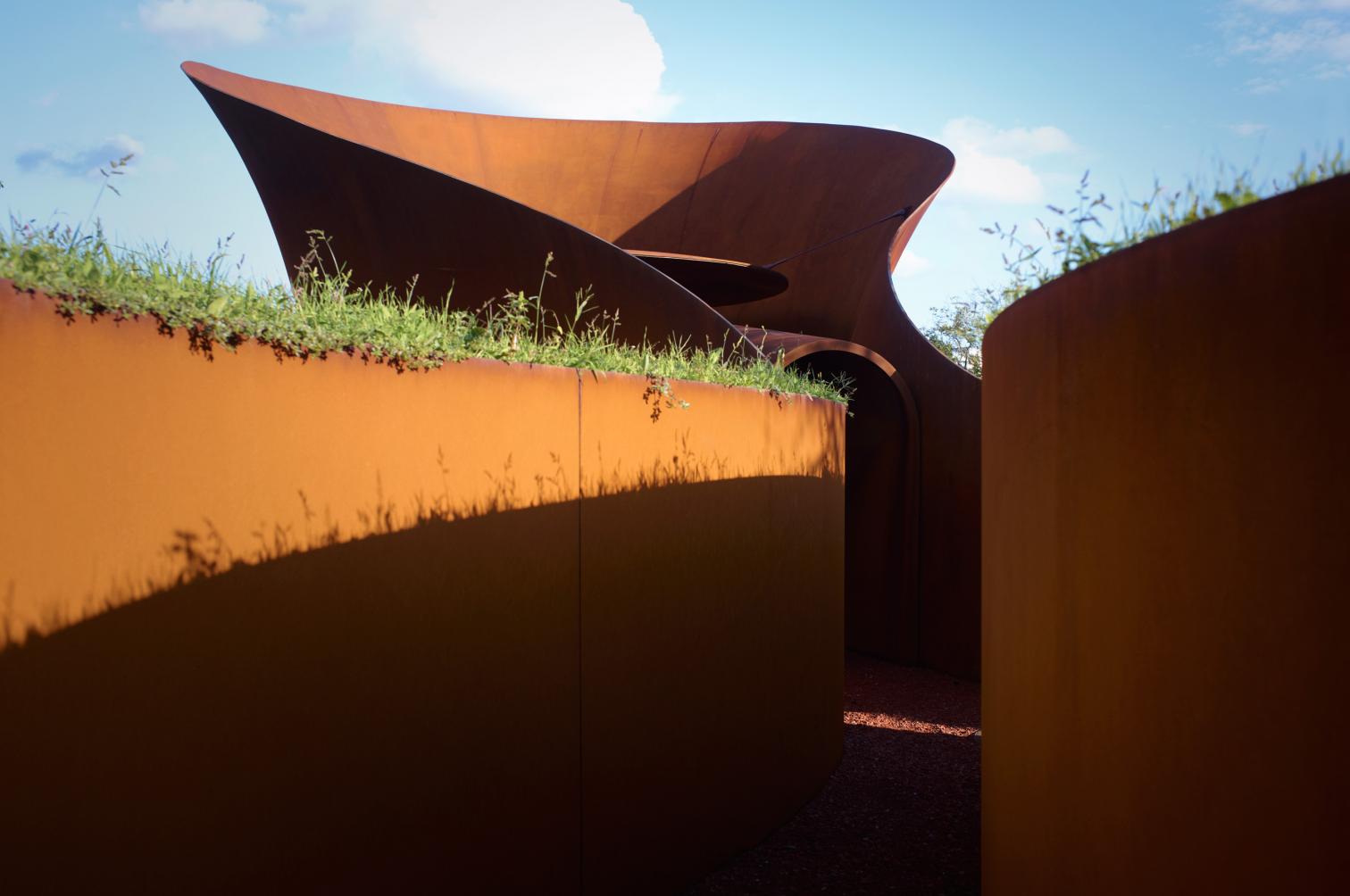
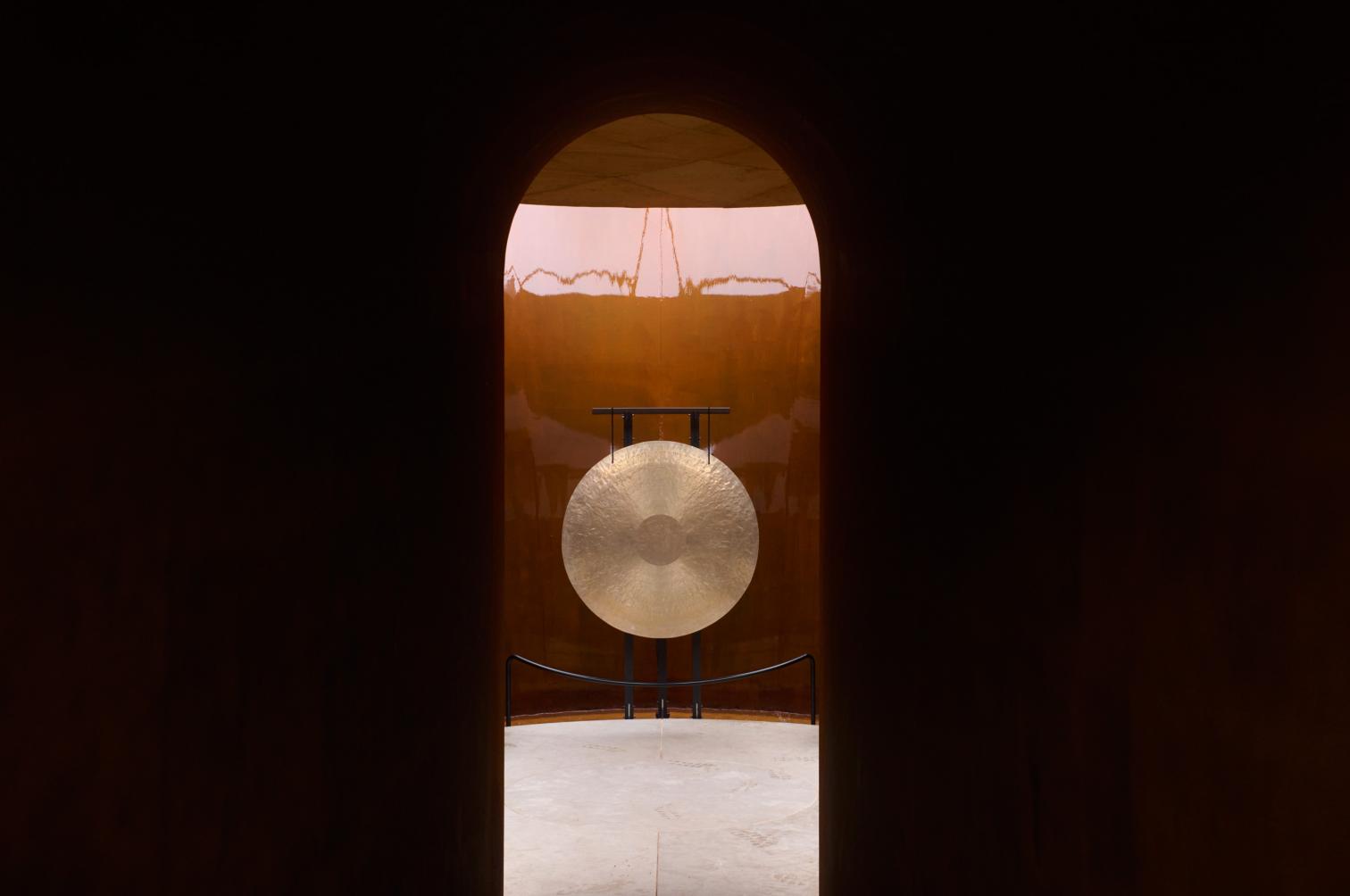
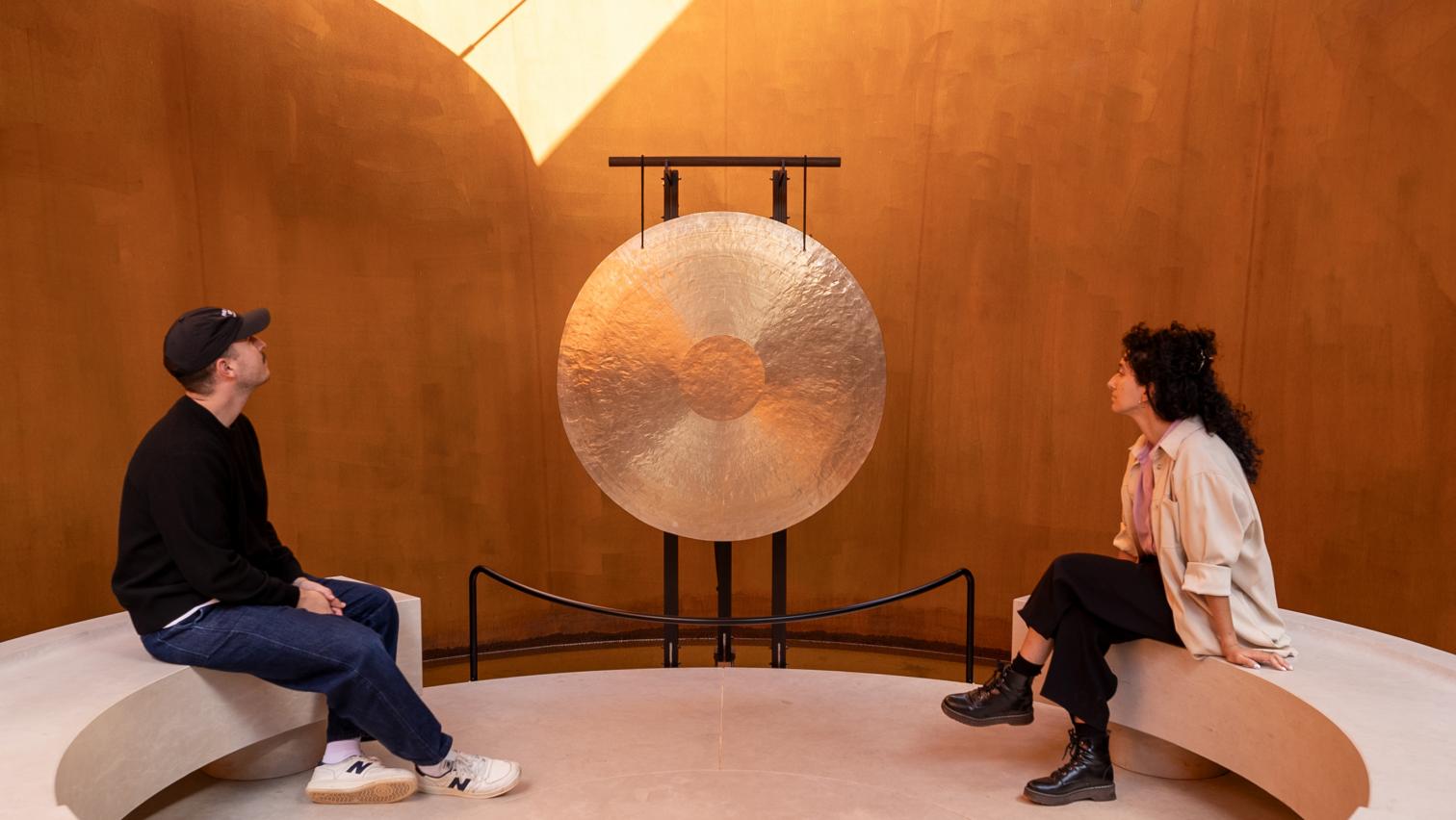
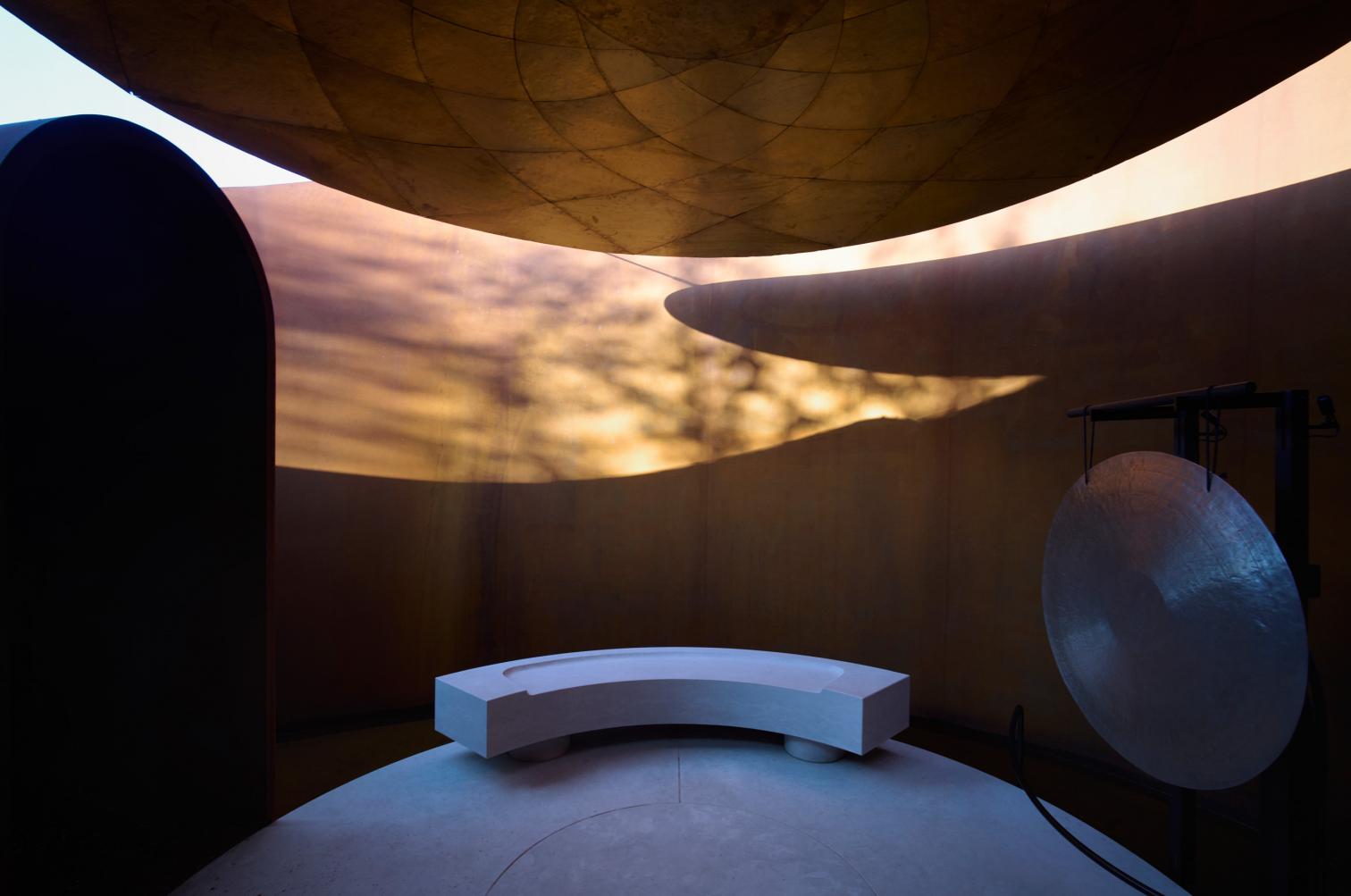
With an embedded audio system, the winding pathway goes below ground level, guided by metal walls that echo with gentle gong and flute sounds that reverberate in the visitor’s body, generating an embracing sensory experience. The visitor advances toward a central chamber, an organic, rounded space featuring a gong, two semicircular stone benches, and a rainwater pool at the base. The roof, partly open, lets in light and air, intensifying the connection with the natural surroundings.
Located close to Tadao Ando’s conference pavilion, Doshi Retreat is built with XCarb® steel, a low-carbon recycled material donated by ArcelorMittal, which over time takes on a natural warm patina. The building presents itself as a space that triggers exploration, silent and changing: a place in which to lose one’s way, find oneself, and contemplate the passage of time in dialogue with matter and sound.